

Key Takeaways
- Guided meditation can help lower blood pressure, improve sleep quality, and reduce chronic pain.
- Regular practice supports mental clarity, emotional balance, and memory function.
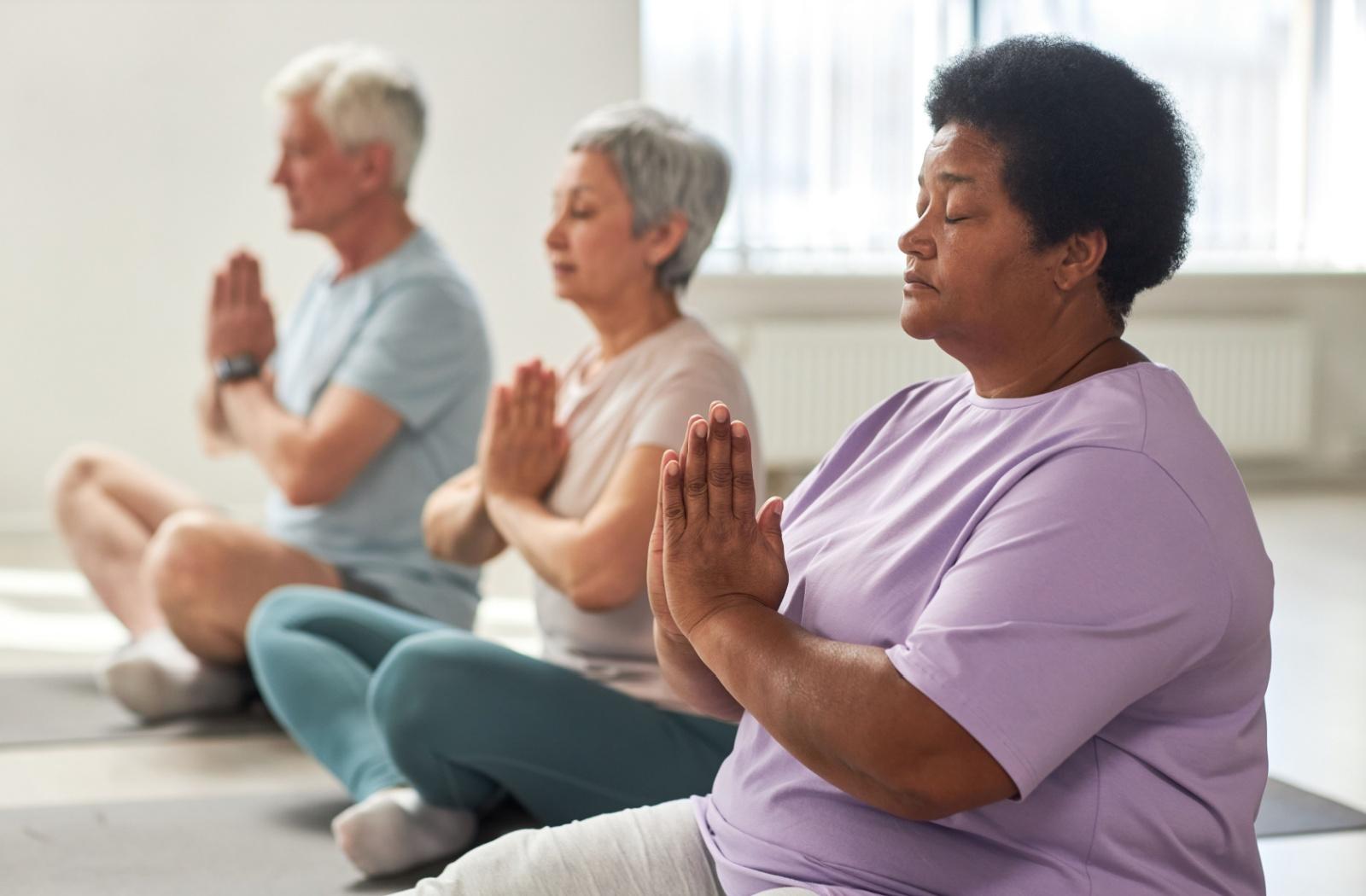
- Group meditation sessions offer social connection and community support.
- You can start with short 5–10 minute sessions and adapt techniques to your mobility level.
- Many senior living communities now include meditation programs in their wellness offerings.
How Guided Meditation Can Support Your Wellness Journey
You might have heard about meditation but wondered if it’s something you can realistically try. The good news is that guided meditation offers a gentle, accessible way to support your physical and mental health without requiring years of training or perfect silence.
Guided meditation provides structured relaxation techniques that can help reduce stress, improve sleep, and create meaningful social connections while supporting your overall wellness. At Somerby Sandy Springs, wellness initiatives recognize that your physical, emotional, and mental vitality all work together.
What Is Guided Meditation and How Does It Work?
Guided meditation involves following along with spoken instructions that lead you through relaxation techniques. Unlike trying to quiet your mind completely, you listen to a narrator who guides your attention through breathing exercises, body awareness, or peaceful visualizations.
You can practice through audio recordings, smartphone apps, or live group sessions. The guidance helps you stay focused and gives your mind something specific to follow, making it easier to relax than attempting meditation on your own. Sessions typically range from 5 to 30 minutes, allowing you to choose what works for your schedule and attention span.
Physical Health Benefits of Regular Meditation Practice
Regular meditation practice can help lower blood pressure and reduce your resting heart rate. This happens because meditation activates your body’s relaxation response, which counteracts the stress response that can strain your cardiovascular system.
Many people also notice improvements in their sleep patterns. Meditation helps quiet the racing thoughts that often keep you awake, leading to deeper, more restorative rest. Additionally, the relaxation techniques can help manage chronic pain by reducing muscle tension and changing how your brain processes pain signals.
How Meditation Affects Your Body’s Stress Response
When you practice guided meditation, your body reduces production of cortisol, the hormone associated with stress. This creates a cascade of positive effects including slower breathing, relaxed muscles, and a calmer nervous system. You might notice your shoulders dropping or your jaw unclenching during sessions.
Mental and Emotional Wellness Through Meditation
Guided meditation can help reduce feelings of anxiety by giving you tools to observe worrying thoughts without getting caught up in them. The practice teaches you to acknowledge concerns while maintaining perspective, which can improve your overall emotional balance.
Regular meditation also supports cognitive function by training your attention and focus. Many practitioners report feeling mentally sharper and more present in their daily activities. The mindfulness aspects of meditation can help support memory by encouraging you to stay engaged with the present moment rather than getting lost in distracting thoughts.
Building Emotional Resilience
Life brings changes and challenges at every stage, and meditation provides tools for navigating these experiences with greater emotional stability. The practice helps you develop a sense of inner calm that you can access during difficult times, whether you’re dealing with health concerns, loss, or major life transitions.
Social Benefits of Group Meditation Activities
Joining group meditation sessions creates opportunities to connect with others who share an interest in wellness and personal growth. You don’t need to talk during the actual practice, but many groups enjoy brief conversations before or after sessions about their experiences.
These gatherings provide structured social interaction that feels purposeful rather than forced. You’re learning together, which creates natural bonds and gives you something meaningful to share. The quiet, supportive atmosphere of group meditation can be especially appealing if you prefer gentler social activities.
Adapting Meditation for Different Mobility Levels
Meditation works equally well whether you’re sitting in a chair, lying in bed, or even during gentle walking. Chair-based sessions focus on breathing and mental relaxation without requiring specific postures. If you’re more comfortable in bed, you can practice lying down while staying alert and engaged with the guidance.
Making Meditation Part of Your Daily Routine at Somerby Sandy Springs
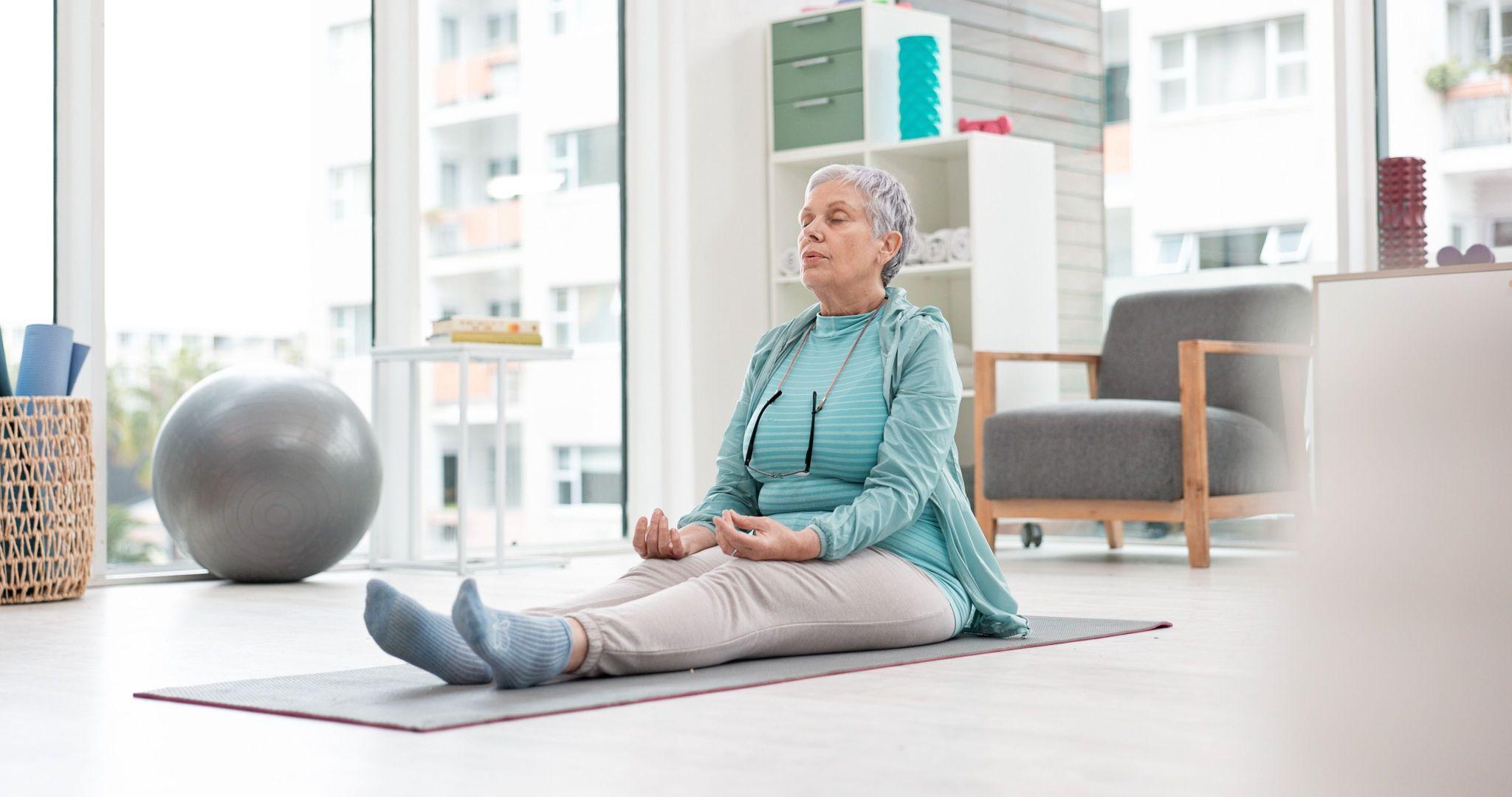
Guided meditation offers a practical way to support your overall wellness while connecting with others in your community. At Somerby Sandy Springs, our wellness initiatives include opportunities to explore practices like meditation in a supportive environment, whether you’re interested in independent living programs or assisted living options with holistic health approaches.
At Somerby Sandy Springs, our team recognizes that your physical, emotional, and mental vitality all work together. Meditation can become a valuable part of your daily routine alongside other engaging social activities and wellness programs that help you continue thriving in your new community.
Want to see it in person? Contact us and schedule a tour today.